

Japanese knotweed · 3 min read
There are two main ways to deal with Japanese knotweed: treat it with herbicide in place, or dig it out. Many sites use a combination. The right choice depends on your timescale, budget, what is planned for the land, and where the knotweed is growing.
Option 1: Herbicide treatment
We use glyphosate-based herbicide to treat Japanese knotweed. It is applied to the foliage or injected into individual stems, and the plant draws it down into the rhizome system. Treatment is carried out over more than one visit, with monitoring between visits, until growth stops.
- Least disruptive: no digging and little waste leaving the site
- Usually the most cost-effective option
- Takes time, often more than one growing season
- Suits gardens and areas where nothing is being built
Herbicide work is carried out by City & Guilds PA1/PA6 qualified operatives.
Stem injection
Herbicide is injected directly into each cane. It is precise and useful near water, other plants you want to keep, or where spraying is not suitable.
Option 2: Excavation
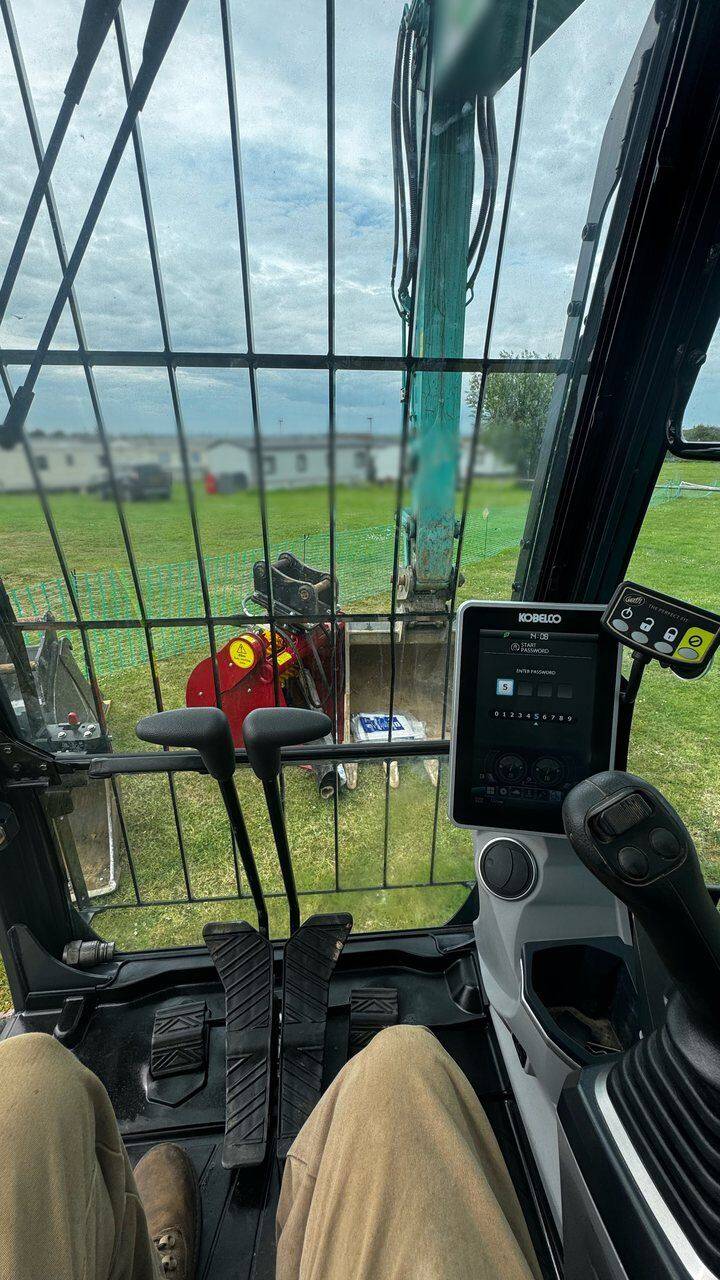
The knotweed and its rhizome system are dug out by manual and mechanical methods. Soil is screened to reduce how much has to leave site, and waste is removed by a registered waste carrier to a suitably licensed facility.
- Fastest result, so it suits building work, extensions or tight sale deadlines
- More disruptive and more costly than treatment
- Knotweed waste is controlled waste and must be disposed of correctly
- Monitoring is still needed afterwards in case any fragment regrows
Option 3: Excavation plus herbicide
A combination approach digs out the bulk of the plant, then treats any regrowth with herbicide. It can defeat the full plant system while reducing the volume of waste.
Not sure what you are dealing with? Send us a photo for a free ID, or book a free in-person survey. Book a free survey · WhatsApp us
Bio-security: stopping it spreading
Whatever the method, bio-security matters. Tools, boots and machinery are cleaned before leaving the work area, so fragments are not carried to new ground.
How to choose
- Building or landscaping soon? Excavation is usually the answer
- No deadline and want the least disruption? Herbicide treatment
- Want speed with less waste? A combination
At the free in-person survey we identify the plant, assess the extent and recommend the right approach, with a fixed price quotation plus VAT. Every option includes a minimum 5-year guarantee, available for up to 20 years. See our Japanese knotweed page, or read about knotweed and selling a house.
Frequently asked questions
Does herbicide kill Japanese knotweed?
Herbicide treatment controls knotweed over a number of visits, with monitoring until growth stops. It is not usually a one-visit fix.
How long does knotweed treatment take?
Usually more than one growing season. We set out the plan and visits in your management plan.
Is excavation guaranteed?
Every job, treatment or excavation, includes a minimum 5-year guarantee, available for up to 20 years.
Can I put knotweed in my green bin?
No. Knotweed waste is controlled waste and must be taken to a suitably licensed site by a registered carrier.
Related articles
- How to identify Japanese knotweed, season by season
- Japanese knotweed and selling a house: management plans, guarantees and mortgages
- Bamboo removal cost in the UK: what affects the price?
Send us a photo for a free opinion
Not sure what is growing in your garden? Send us a photo and we will tell you what it is and what we would recommend, free and with no obligation. Or book a free in-person survey with a written report and a fixed price quotation.