

 Himalayan balsam removal
Himalayan balsam cleared
Professional invasive plant control at fair, fixed prices.
Himalayan balsam spreads fast along rivers, ditches and damp ground. We clear it before it seeds and come back to deal with the next generation.
- Free in-person survey with a written report and photos
- Fixed price quotation, plus VAT. No hidden fees
- Minimum 5-year guarantee included on every job, available for up to 20 years
- Waste removed by a registered waste carrier
Book your free survey
Tell us what you are seeing and add a photo if you can. A surveyor will get back to you.
Professional invasive plant control at fair, fixed prices
Qualified surveyors, proven methods and a written guarantee, at fair, fixed prices plus VAT.
- 👥A lean, owner-led team
- 🏢No national overheads or call centres
- 🎓A qualified surveyor on site
- 🧪Recognised methods, trained people
- 🛡A written guarantee and management plan
What is Himalayan balsam?
Himalayan balsam is a tall annual plant with pink to purple flowers. It grows quickly in damp places and spreads by seed. Its ripe seed pods burst open when touched and can throw seed a long way.
Because it dies back in winter, banks where it has taken over can be left bare. Seeds in the soil and seeds carried downstream mean control usually takes more than one season.
How to recognise it
- Thick, hollow, often reddish stems with swollen joints
- Lance-shaped leaves with finely toothed edges, in pairs or whorls
- Pink to purple helmet-shaped flowers in summer
- Seed pods that burst when touched
For a fuller guide, read our article: Himalayan balsam: how to identify and remove it.
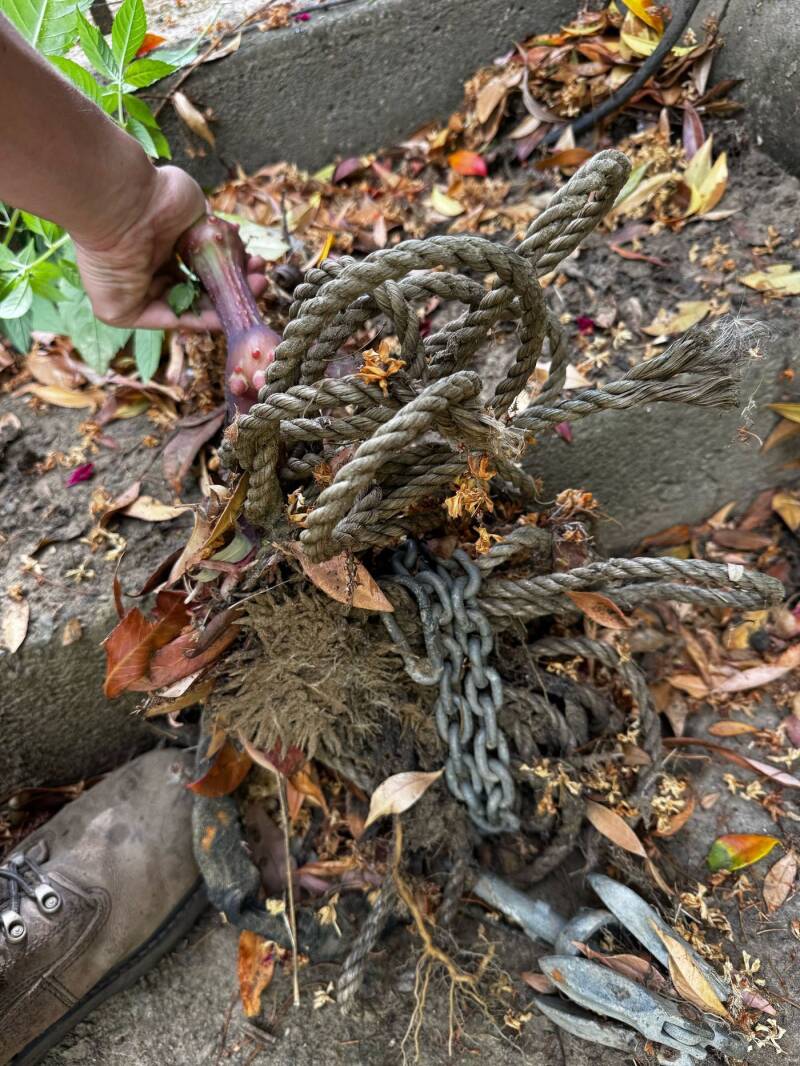
Why it needs dealing with
Early action avoids further spread, damage, stress and cost.
It spreads along water
Seeds travel downstream, so riverside plants can soon spread to new sites.
It crowds out other plants
Dense stands shade out other plants, and banks can be left bare when it dies back in winter.
Timing matters
Once the seed pods ripen, every disturbance spreads more seed. It is best dealt with before it flowers.
How we deal with Himalayan balsam
From the free survey to a guaranteed result, in four steps.
Free survey
In person. Plant identified, written report with photos and a fixed price quotation, plus VAT.
Your plan
Depending on the site, we pull or cut plants before they set seed, or treat larger stands with herbicide where it is suitable for the site, including near water. Waste is bagged and removed by a registered waste carrier, and we return to deal with new seedlings. Herbicide work is carried out by City & Guilds PA1/PA6 qualified operatives.
 3
3The work
Biosecurity measures on site. Waste removed by a registered waste carrier.
 4
4Guarantee & follow-up
Minimum 5-year guarantee included, available for up to 20 years, plus follow-up visits.
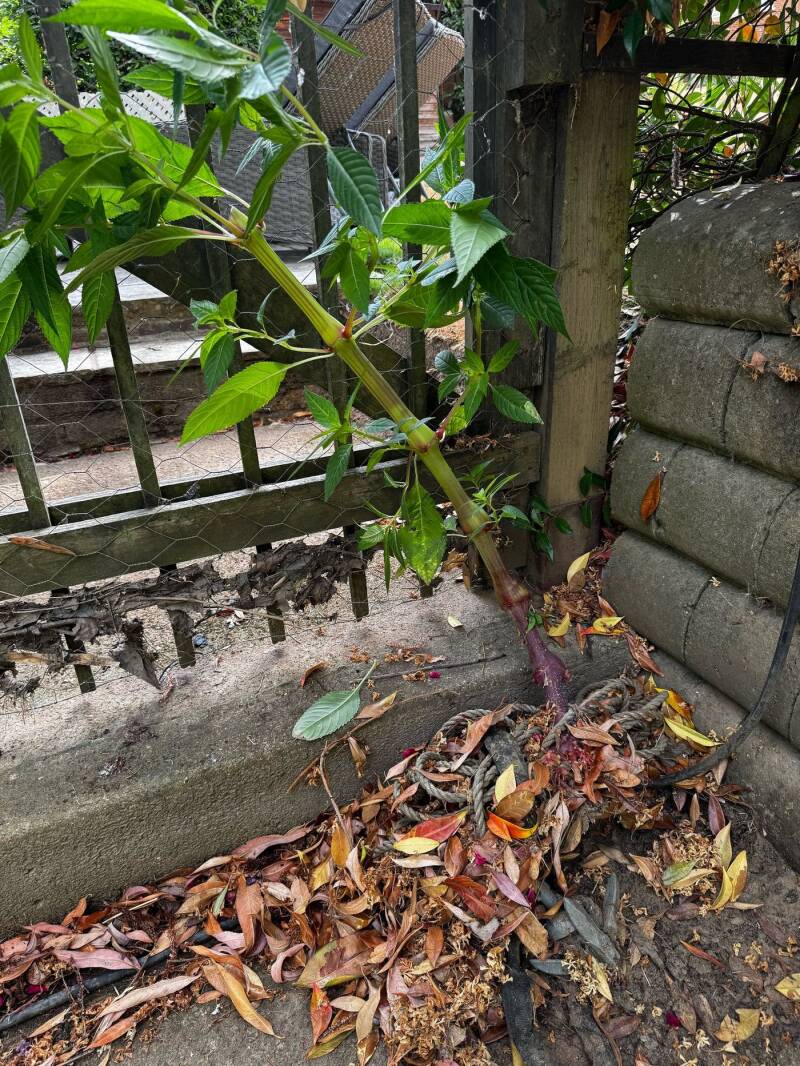
From our jobs
Himalayan balsam and the law: an invasive alien species of special concern
Himalayan balsam is on the UK list of invasive alien species of special concern. The list comes from the EU Invasive Alien Species Regulation (EU) No 1143/2014, the EU law that people sometimes search for as the EU invasive alien species directive. The Regulation was kept in Great Britain's law after Brexit, and in England and Wales it is enforced through the Invasive Alien Species (Enforcement and Permitting) Order 2019, often called the IAS Order 2019.
What the rules say
- You must not intentionally keep, grow or cultivate it, let it reproduce, breed it, transport it, sell it, use or exchange it, or release it into the environment
- The rules also cover live parts that could grow, such as seeds, roots and cuttings
- Live material can only be moved off your land to a facility for destruction, or under a licence from Natural England (Natural Resources Wales in Wales) or a permit from the Animal and Plant Health Agency
What it means for homeowners and landowners
It is not an offence for Himalayan balsam to be growing on your land. Defra does not treat plants that are already growing there as being kept or cultivated, and landowners do not have to remove plants growing wild.
However, you must not plant it or intentionally let it spread. GOV.UK guidance says you should treat or dispose of it where possible and not allow it to grow or spread outside your land.
In England, Defra, the Environment Agency, Natural England and the Forestry Commission can ask an owner to agree a species control agreement to deal with invasive non-native plants, and can make a species control order if that does not work (for homes, only the Secretary of State can do this). Penalties under the IAS Order range from warnings and notices to fines and, for the most serious offences, prison.
Why using a professional matters
- Biosecurity on site, so seeds and fragments are not carried away on boots, tools or vehicles
- Plant material and contaminated soil can count as controlled waste, so it is taken away by a registered waste carrier to an authorised site
- A plan that stops it spreading from your land to your neighbours' gardens or into rivers
Before 1 December 2019, Himalayan balsam was listed on Schedule 9 of the Wildlife and Countryside Act 1981. Its entry was removed from Schedule 9 when the IAS Order 2019 came into force, and it is now covered by the Order instead.
What our clients say
Read our reviews:GGoogleTTrustpilotCCheckatrade
He Identified the species and produced a detailed report with photos, all free of charge.
M O · GoogleHighly professional, straightforward & honest. A pleasure to deal with.
Naomi · TrustpilotFrom consultation with Connor to the completion of all work carried out I have experienced only high levels of professionalism and support.
Lesley B. · GoogleGood advice prior to works commencing, kept to agreed timescales, punctual and tidy, helpful and obliging during works.
Quentin C. · TrustpilotA guarantee on every job. Always included.
Minimum 5-year guarantee included on every job, available for up to 20 years. It is part of the price, never an optional extra.
- Guarantee certificate issued when the work is complete
- Management plan evidencing everything done on site
- Monitoring visits until growth has stopped
- Free call-outs if anything comes back in the treated area
- Paperwork you can share with buyers, lenders and neighbours
Frequently asked questions
Straight answers. Anything else, just ask.
Is it illegal to have Himalayan balsam in my garden?
No. It is not illegal for Himalayan balsam to be growing on your land. But you must not plant it or intentionally let it spread, and moving it off your land or disposing of it the wrong way could be an offence. If in doubt, ask us or check the GOV.UK guidance.
When is the best time to remove Himalayan balsam?
Before it flowers and sets seed, usually from late spring into early summer. Pulling plants with ripe pods spreads the seed.
Do you work on riverbanks?
Yes. Send us a photo or book a free survey and we will recommend the right approach for the site.
Is the survey really free?
Yes. We visit in person, identify the species and send you a written report with photos and a fixed price quotation, with no obligation. Formal CSJK (Certified Surveyor of Japanese Knotweed) survey reports, which confirm whether invasive plants are present (for example for a property sale or mortgage), are £240 (£200 + VAT).
Are your prices fixed?
Yes. Quotations are fixed price, plus VAT, with no hidden fees or subscriptions.
Can I just send a photo?
Yes. Add a photo to the enquiry form or send it on WhatsApp and we will identify the plant for free.
How do you keep your prices competitive?
We are a lean, owner-led team with no national overheads or call centres. Your site is surveyed in person by a qualified surveyor, we use recognised methods, and every job comes with a written guarantee and management plan. Every quote is fixed, plus VAT, after a free survey.
Book your free survey
Tell us what you are seeing and add a photo. A surveyor will get back to you with next steps.
- Free in-person survey with a written report and photos
- Fixed price quotation, plus VAT. No hidden fees
- Minimum 5-year guarantee included on every job, available for up to 20 years
Request a free survey
Tell us what you are seeing and add a photo if you can. A surveyor will get back to you.
Request my free survey